
SectorGrowth India Logo SectorGrowth India Contact Us
Contact Us

Agriculture’s Shifting Role in India’s GDP

From the backbone of the economy to a declining share — understanding how India’s agricultural contribution has transformed and what it means for rural communities.

9 min read Beginner March 2026
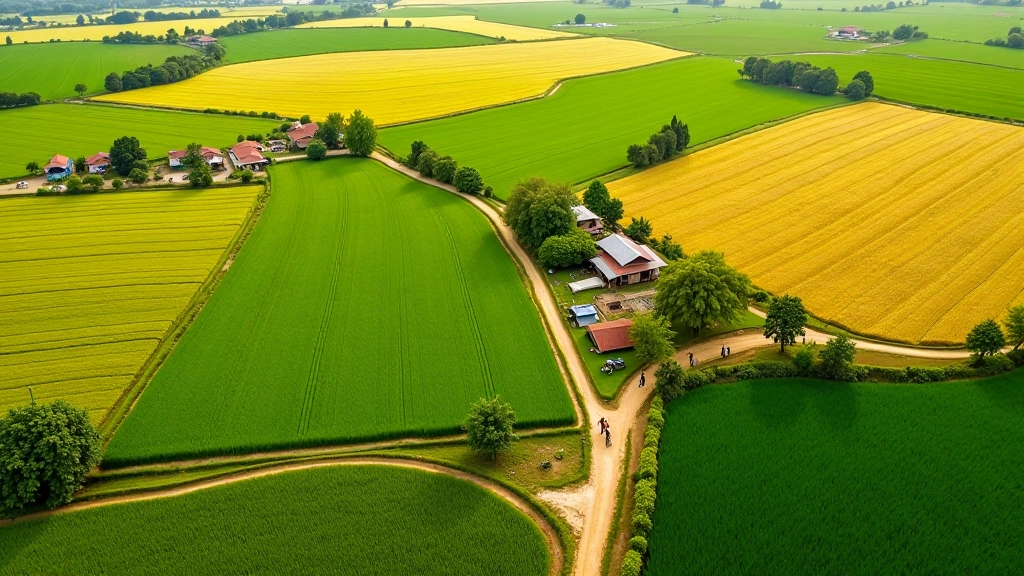
Aerial view of extensive agricultural fields with different crop stages, showing rural farming villages and irrigation systems across the landscape

Why Agriculture’s Story Matters

India’s agriculture sector has undergone a dramatic shift over the past few decades. If you’d asked someone in 1950 what made India’s economy work, they’d tell you: farming. Fields stretched across the country, employing most of the population and feeding the nation. But today? That story’s changed completely.

Agriculture still matters — it feeds over a billion people and provides livelihoods to roughly 50% of the rural population. Yet its share of GDP has shrunk from over 50% in the 1950s to around 16-18% in 2024. That’s not a minor shift. It’s a fundamental restructuring of how India’s economy works, and understanding this change helps explain everything from rural income struggles to India’s rapid growth as a services powerhouse.

The real question isn’t whether agriculture is dying — it’s not. It’s how a nation feeds itself while transitioning to a more diversified economy. And what happens to the people whose families have farmed for generations when the sector’s economic importance keeps declining.

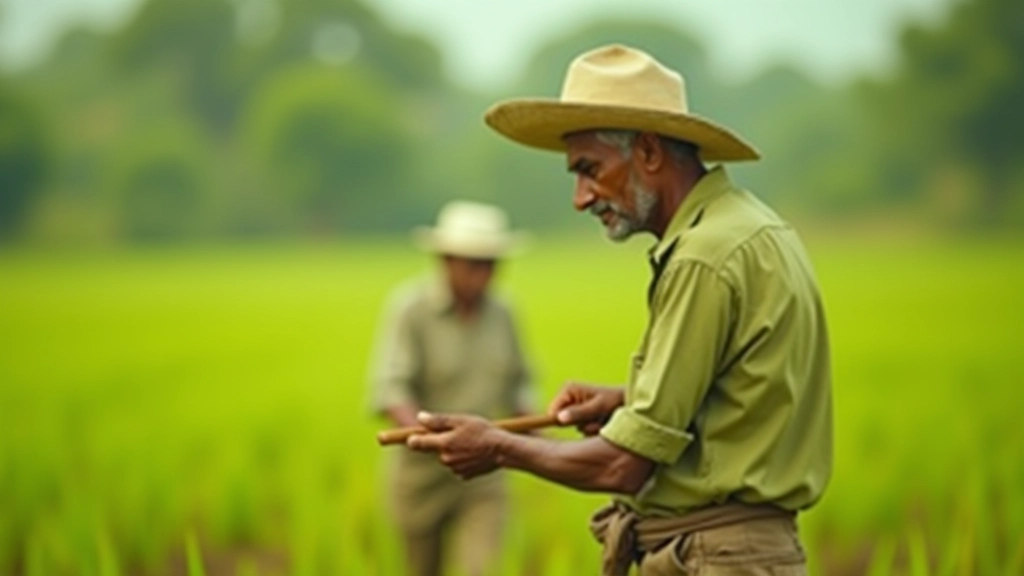
Rural farmer working in traditional agricultural field with hand tools, showing traditional farming methods and crops at different growth stages
Historical agricultural machinery and farming equipment from different eras showing evolution of Indian farming techniques over decades

The Numbers: A Sector in Transition

In 1950, agriculture represented about 52% of India’s total GDP. By 1980, it’d dropped to roughly 37%. Today, it’s around 16-18% — though the exact figure shifts based on whether you’re measuring nominal or real terms, and how agricultural related activities get classified.

Here’s what makes this interesting: agriculture’s absolute size hasn’t collapsed. Output has actually increased substantially. What’s happened is that everything else has grown faster. Manufacturing went from about 10% of GDP in 1950 to roughly 18% today. But the real game-changer? Services — now representing around 55-60% of GDP, up from just 30% in 1950. It’s not that farming shrank; it’s that services exploded.

Employment tells a slightly different story. While agriculture’s GDP share has halved, employment in agriculture has only declined from around 70% in 1950 to roughly 40-45% in 2024. That’s a huge gap — many people work in farming but contribute proportionally less to overall economic output. It signals lower productivity and lower average incomes in agricultural work compared to other sectors.

What Drove This Shift?

The decline in agriculture’s GDP share didn’t happen by accident. Several structural forces reshaped India’s economy over the past 70 years.

Industrialization & Manufacturing

Starting in the 1960s, India invested heavily in factories, steel plants, and manufacturing infrastructure. These sectors generated higher value per worker than farming, pulling capital and talent away from agriculture.

The Services Boom

From the 1990s onward, India’s IT sector, financial services, and business process outsourcing exploded. These high-margin sectors attracted investment and talent. A software engineer generates more value per hour than a farmer, shifting GDP composition dramatically.

Education & Urbanization

As education expanded, more young people moved to cities for white-collar jobs. Rural-to-urban migration reduced the agricultural workforce and increased income inequality between sectors.

Productivity Challenges

While farm mechanization improved, productivity gains lagged behind manufacturing and services. Many farms remain small-scale, fragmented, and dependent on weather. That structural limitation kept agricultural output growth moderate.

Globalization & Market Access

Export-oriented sectors like IT and textiles benefited hugely from global trade. Agriculture faced more barriers — tariffs, subsidies in developed nations, and logistical challenges. These factors limited its growth relative to other sectors.

Policy Shifts

Government investment gradually shifted from agricultural subsidies and infrastructure toward manufacturing incentives and service sector growth. While food security programs continued, the growth strategy favored industrialization.

What This Means for Rural India

The shift in agriculture’s GDP share isn’t just an economic statistic — it’s directly tied to rural incomes and quality of life. Here’s why it matters.

When agriculture represented 50% of GDP and employed 70% of the population, farming was a viable path to decent income. Today, agriculture’s 16-18% of GDP is spread across roughly 40-45% of the population. That’s roughly 500-550 million people relying on a shrinking share of economic output. The result? Rural incomes haven’t kept pace with urban incomes. The rural-urban income gap has widened significantly since the 1990s.

Young farmers face a difficult choice: stay in farming and accept lower incomes, or migrate to cities seeking better opportunities. This isn’t just economics — it’s reshaping village communities. Fewer young people farming means fewer hands to maintain traditional knowledge, fewer investments in rural infrastructure, and aging farming populations in many regions.

Food security remains secure because productivity improvements and better logistics have increased food availability even as the workforce shrinks. But that doesn’t solve the income problem for the millions still dependent on farming as their primary livelihood.

Urban skyline with modern office buildings and city infrastructure representing India's services sector growth and economic transition

The Path Forward

Agriculture’s declining GDP share isn’t reversible — nor should it be. Higher productivity in other sectors is part of normal economic development. But managing this transition better is absolutely possible.

Improving Agricultural Productivity

Better seeds, precision farming techniques, and modern irrigation can increase output per acre and per worker. Countries like Israel and the Netherlands show that small nations can achieve high agricultural value through innovation. India’s vast agricultural sector could benefit from similar approaches — drip irrigation adoption, crop diversification, and value-added processing at farm level.

Facilitating Skill Transition

For farmers choosing to leave agriculture, vocational training and job placement support in growing sectors (manufacturing, construction, services) could smooth the transition. This isn’t about forcing people off farms — it’s about making alternative paths viable and dignified.

Building Rural Non-Farm Employment

Small manufacturing units, tourism, agro-processing, and service businesses in rural areas could create income opportunities without requiring urban migration. This keeps rural communities viable while diversifying income sources for farm families.

Ensuring Fair Agricultural Prices

When farmers get fair prices for their output, agriculture becomes more profitable and attracts investment and talent. Direct market access, reducing middlemen, and crop insurance schemes help protect farmer incomes from price volatility.

Modern sustainable farming technology including drip irrigation systems, greenhouse structures, and contemporary agricultural equipment

The Takeaway

India’s agriculture sector has undergone a profound transformation. From the dominant pillar of the economy in 1950 to roughly 16-18% of GDP today, this shift reflects India’s successful industrialization and service sector development. It’s actually a sign of economic progress.

But progress doesn’t happen evenly. While cities and service sectors have boomed, rural areas and farming communities haven’t shared equally in the gains. The challenge ahead isn’t reversing agriculture’s declining share — that’s unrealistic and unnecessary. It’s managing the transition thoughtfully: supporting farmers with better technology and market access, helping younger generations transition to other sectors when they choose, and ensuring rural India doesn’t get left behind as the economy shifts.

Understanding this shift helps explain current debates about farm policies, agricultural subsidies, and rural development. It’s not just about GDP numbers — it’s about how an entire nation feeds itself while creating opportunity across all sectors and regions.

Disclaimer

This article provides educational information about India’s agricultural sector and its changing role in the economy. The statistics and trends discussed reflect historical data and economic analysis available as of March 2026. Agricultural data can vary based on measurement methodology, classification systems, and source. For specific policy decisions or investment considerations, consult current government publications, agricultural economists, or relevant policy experts. This content is informational and not intended as economic or policy advice.