

Agriculture’s Shifting Role in India’s GDP
Learn how agricultural contribution to GDP has changed over decades and what this means for rural employment and food security.
Read ArticleExplore how India’s manufacturing output has expanded, the challenges it faces, and government initiatives reshaping this critical economic pillar.
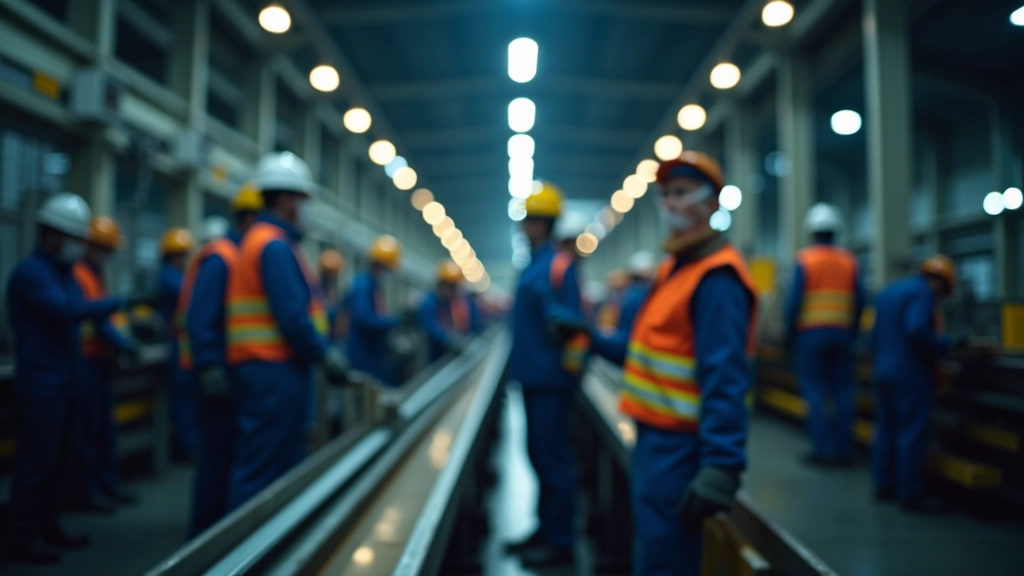
India’s manufacturing sector has undergone significant transformation over the past two decades. It’s no longer just about textiles and basic goods — we’re talking precision engineering, automotive components, pharmaceuticals, and electronics. The sector currently contributes roughly 17-18% of India’s GDP, employing millions directly and supporting countless supply chains across the country.
But here’s the thing: this isn’t automatic growth. It’s the result of deliberate policy shifts, infrastructure investments, and a structural transformation in how India positions itself globally. Manufacturing remains crucial because it creates jobs, builds skills, and generates exports. Understanding where we are and where we’re headed matters for everyone — policymakers, investors, and workers alike.
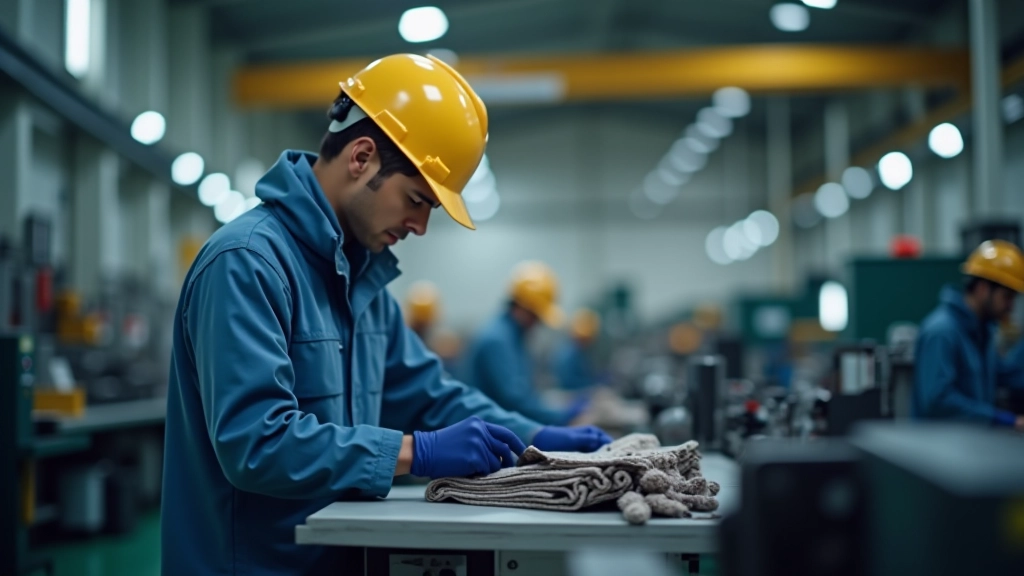
Manufacturing output in India has grown at an average rate of 5-7% annually over the past decade, though this varies by sub-sector and time period. The Index of Industrial Production (IIP) — a key indicator economists watch — shows that sectors like automobiles, pharmaceuticals, and electronics have driven much of this expansion.
Different sectors perform differently. Automotive manufacturing has grown consistently — India’s now one of the world’s top three vehicle producers. Pharmaceuticals are another strength. Electronics? That’s where government initiatives like “Make in India” are pushing hardest. Production capacity has expanded significantly, though there’s still room for improvement in efficiency and automation.

Growth isn’t guaranteed. India’s manufacturing sector faces genuine obstacles that we need to acknowledge. Labor costs have risen, making some low-skill manufacturing less competitive against Southeast Asian competitors. Energy costs remain high in many regions, cutting into profit margins.
There’s also the automation question. Factories worldwide are becoming more automated, which boosts productivity but creates workforce anxiety. India’s labor advantage — having a young, large workforce — isn’t as decisive if those workers need constant retraining. These aren’t unsolvable problems, but they’re real and ongoing.
The government hasn’t been passive. Several major programs aim to transform manufacturing capacity and competitiveness.
Launched in 2014, this initiative focuses on boosting manufacturing output and attracting foreign investment. Sectors targeted include electronics, automobiles, pharmaceuticals, and renewable energy equipment. It’s about building India as a manufacturing destination, not just a low-cost labor source.
The PLI scheme offers financial incentives to companies that increase manufacturing output and exports in specific sectors. Electronics, pharmaceuticals, automobiles, and textiles are priority areas. It’s incentive-based rather than purely regulatory.
Programs like National Apprenticeship Promotion Scheme and Pradhan Mantri Kaushal Vikas Yojana aim to create skilled workers. Training focuses on technical skills, quality standards, and modern manufacturing practices needed for competitive production.
Investments in ports, highways, logistics networks, and industrial corridors are expanding. Dedicated freight corridors and improved port infrastructure aim to reduce transportation costs and delivery times for manufactured goods.
Incentives for sustainable production methods, renewable energy adoption in factories, and waste reduction are becoming central. It’s not just about growth — it’s about responsible manufacturing that minimizes environmental impact.
Quality upgrades, certification support, and trade agreement benefits help Indian manufacturers compete globally. Focus areas include food processing, leather goods, textiles, and engineering products with higher value-addition.
Manufacturing’s role in India’s economy is shifting fundamentally. We’re seeing a move away from basic, labor-intensive production toward higher-value manufacturing. This isn’t happening everywhere equally — it’s concentrated in specific sectors and regions with better infrastructure and skilled workforces.
“Structural transformation means India isn’t just making more things — it’s making different, better, more valuable things.”
Think about it this way: a decade ago, Indian manufacturing meant garments and basic components. Today, we’re designing smartphones, manufacturing advanced pharmaceuticals, building automotive subsystems that go into cars sold globally. That’s transformation. It requires better technology, more skilled workers, stronger supply chains, and smarter management.
The services sector has grown faster than manufacturing as a share of GDP — that’s part of the broader economic transition. But manufacturing remains essential. It’s not just about the percentage; it’s about absolute production capacity, job creation, and the skills-building that manufacturing provides. A balanced economy needs a strong manufacturing base.

What’s the trajectory? Manufacturing in India has several tailwinds. Global companies are diversifying away from China — that’s opportunity. India’s demographic dividend — a young, growing workforce — remains valuable if we invest in skills. Rising middle-class consumption means growing domestic demand for manufactured goods.
Moving beyond traditional sectors into semiconductors, electronics, batteries, and advanced materials. India’s targeting chip manufacturing with government support, recognizing its strategic importance.
Industry 4.0 adoption — IoT sensors, AI-driven quality control, real-time supply chain tracking. Factories becoming smarter, more efficient, producing better quality goods faster.
Environmental regulations tightening globally means green manufacturing becomes competitive advantage. India’s investing in clean production technologies and circular economy practices.
Specialized manufacturing hubs developing — automotive clusters in some states, pharma in others, electronics in specific regions. Concentration builds expertise and attracts investment.
The growth won’t be automatic or uniform. Success requires sustained investment in infrastructure, continuous skill development, stable policy environment, and global market access. But the fundamentals are there — young workforce, growing market, improving technology adoption, and policy support. Manufacturing’s transformation is underway; the question is how effectively India navigates the challenges ahead.
This article provides educational information about India’s manufacturing sector, structural transformation, and government initiatives. The data and analysis reflect information available as of February 2026 and represent general trends and patterns. Manufacturing performance varies significantly by sub-sector, region, and individual company circumstances. For specific investment decisions, business planning, or policy recommendations, consult with relevant experts, economists, and industry specialists who can assess your particular situation. Economic data changes regularly, and sector performance depends on many factors including global market conditions, policy changes, and technological developments.