
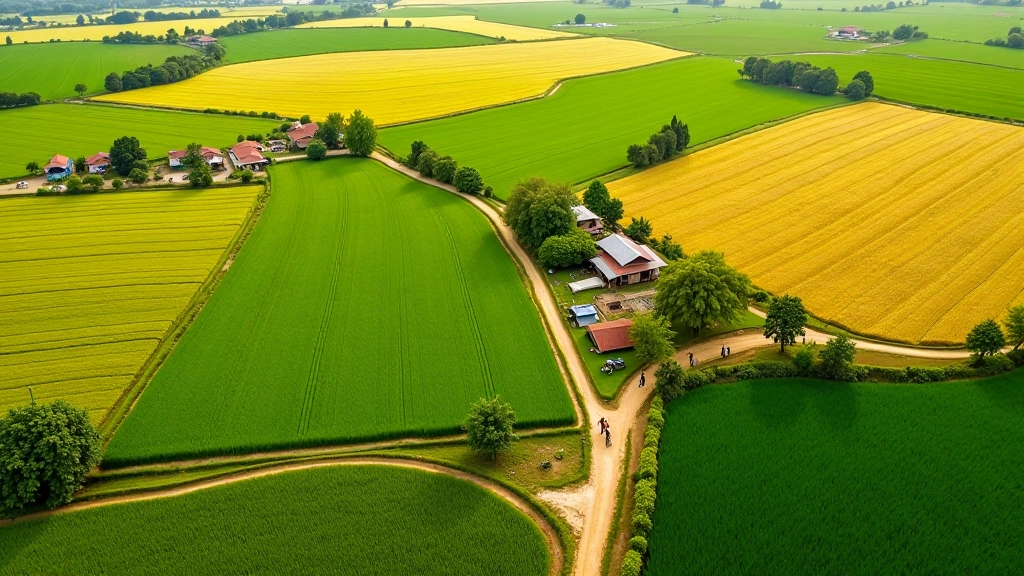
Agriculture’s Shifting Role in India’s GDP
Learn how agricultural contribution to GDP has changed over decades and what this means for rural economies and food security.
Read MoreExplore how agriculture, manufacturing, and services drive India’s economic growth and structural transformation
India’s economy is undergoing significant transformation. We’ve compiled comprehensive educational guides examining how different sectors contribute to GDP, their growth patterns, and what structural changes mean for the country’s future development.

In-depth educational resources on India’s economic sectors and structural changes
Learn how agricultural contribution to GDP has changed over decades and what this means for rural economies and food security.
Read More
Examine how India’s manufacturing output has expanded, current challenges, and the government’s initiatives to boost this crucial sector.
Read More
Discover why services now dominate India’s GDP, including IT, finance, tourism, and how this shift reflects broader economic changes.
Read More
Analyze historical GDP contribution patterns across sectors and understand what economists project for India’s economic structure in coming decades.
Read More“India’s economic transformation from an agriculture-dependent economy to a services-led powerhouse represents one of the most significant structural shifts in modern history. Understanding these changes is crucial for anyone interested in development economics or India’s future role in the global economy.”
When you examine how different sectors contribute to GDP, you’re really looking at how a nation creates value. It’s not just about numbers — it’s about employment, innovation, and the quality of life for millions of people. India’s structural transformation shows how economies evolve as they develop. What was once primarily agricultural has become increasingly service-oriented, reflecting technological advancement and changing global demand patterns.
Each sector tells a story. Agriculture remains culturally important but employs fewer people than it did decades ago. Manufacturing is growing but faces competition from other nations. Services are booming, particularly in areas like information technology and business process outsourcing, where India’s become a global leader. These guides help you understand not just the statistics, but what they actually mean for the Indian economy and its people.
Essential concepts for understanding India’s economic sectors
The foundation of India’s economy, this sector includes farming, forestry, and natural resource extraction. You’ll learn how it’s changed from employing the majority of the workforce to a smaller percentage today.
Manufacturing transforms raw materials into finished goods. Explore India’s position in global manufacturing, major industrial zones, and how policies like Make in India aim to boost this sector’s contribution to GDP.
Now the largest sector, services include IT, finance, healthcare, education, retail, and tourism. This is where India’s competitive advantage lies in the global economy, and it’s growing faster than other sectors.
Understand the metrics economists use to measure economic change — employment shifts, productivity growth, sectoral contributions to GDP, and what these patterns tell us about development progress.